If you fly a drone for work in Canada, the rules you must follow live in Part IX of the Canadian Aviation Regulations, and the transport canada drone regulations 2024 2025 framework is the version that applies today. The short answer for most operators: any drone between 250 grams and 25 kilograms must be registered, and the pilot must hold a valid certificate. Whether you need a Basic or an Advanced certificate depends on where you fly and how close you get to people and airports. What follows is a practical walkthrough from people who have sat the exams, passed a flight review, and flown paid jobs under these rules.
The core structure has been stable since June 2019, but Transport Canada published major amendments on November 4, 2023, and those changes phased in through 2024 and into 2025. That is why operators search for the year range rather than just “drone rules.” We run commercial drone services across Canada, so this is not theory for us. These rules shape every flight plan we file.
Who Has to Follow Transport Canada Drone Regulations 2024 2025
Weight decides almost everything. The transport canada drone regulations 2024 2025 sort aircraft into bands, and your legal obligations follow the band your drone sits in.
- Under 250 grams: No registration and no pilot certificate required. You still must not endanger people or other aircraft. The DJI Mini line sits at 249 grams for exactly this reason.
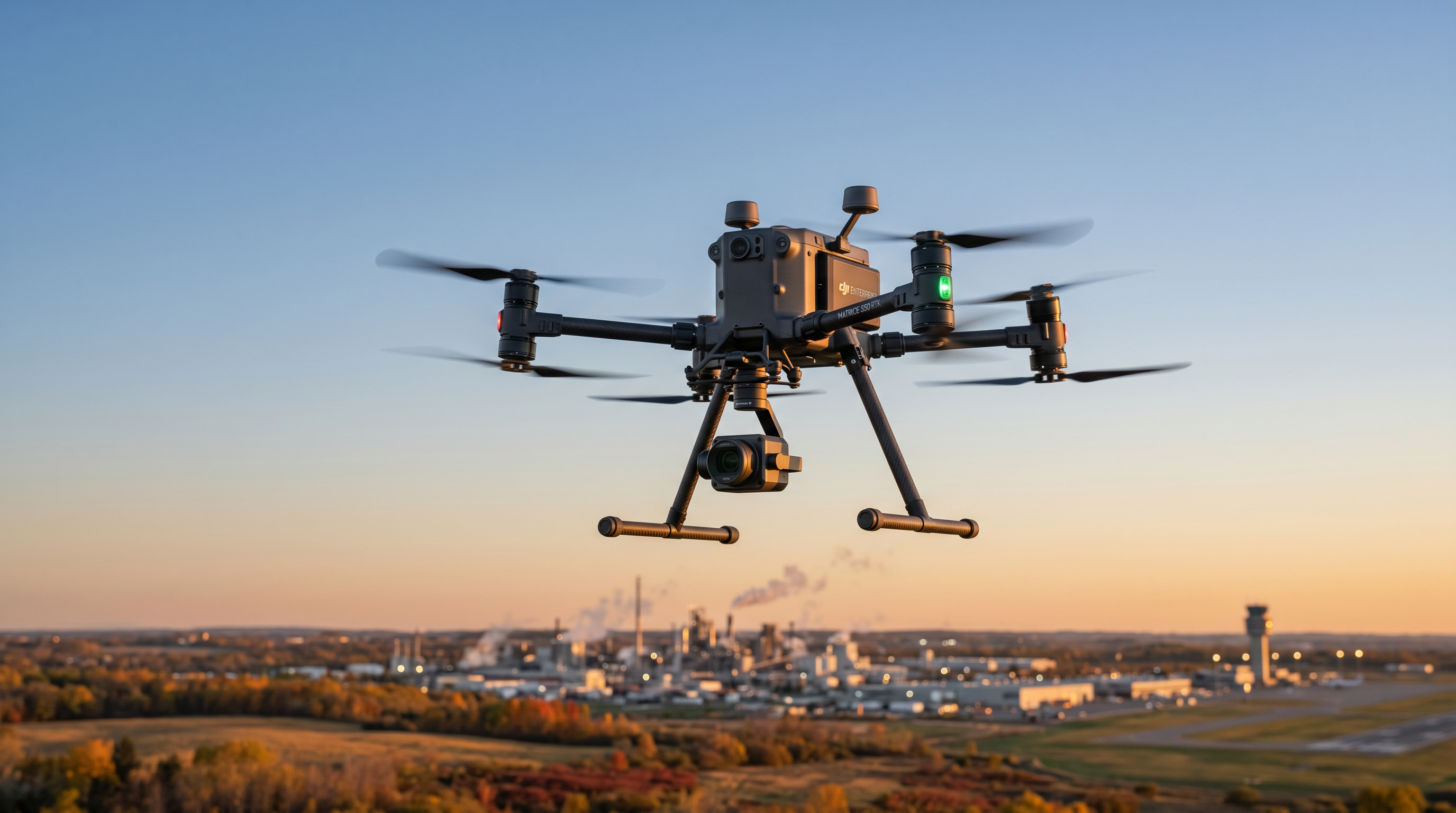
- 250 grams to 25 kilograms: This is where most commercial work happens. Registration is mandatory and you need a Basic or Advanced certificate. The DJI Mavic 3 Enterprise, Matrice 30, and Matrice 350 RTK all fall here.
- 25 to 150 kilograms: Historically this required a Special Flight Operations Certificate for every flight. The 2023 amendments built a standing framework for these medium aircraft, with provisions phasing in during 2025.
- Over 150 kilograms: Reviewed case by case by Transport Canada.
One detail trips people up. Weight means the total weight at takeoff, including the battery and any payload. Bolt a zoom camera or a spotlight onto a 240 gram drone and you may cross the 250 gram line, which pulls you straight into registration and certification territory.
Basic vs Advanced Operations: Picking the Right Certificate
For the 250 gram to 25 kilogram band, Transport Canada splits flying into two categories. Pick the wrong one and you are operating illegally even if you hold a certificate.
Basic operations
Basic operations cover the lower-risk end. You qualify as Basic when you fly in uncontrolled airspace, stay at least 30 metres horizontally from bystanders, and never fly over bystanders. To get the certificate you pass an online exam of 35 questions and need 65 percent to pass. The minimum age is 14. This suits real estate flights over open lots, agricultural scouting, and similar jobs well clear of crowds.
Advanced operations
Advanced operations open up controlled airspace, flight near airports, flying closer than 30 metres to people, and in some cases flight over people. You pass a harder 50-question exam at 80 percent, then complete an in-person flight review with an accredited reviewer. The minimum age is 16. If your work involves urban inspections, infrastructure near airports, or events, you need this level. We walk operators through the full path in our advanced RPAS certification training, because the flight review is where unprepared pilots most often fail.
One thing the rules quietly demand is recency. To keep flying you must complete a recency activity within the previous 24 months, such as a recurrent exam or a recognized training session. Let it lapse and your certificate is not valid for flight, even though the certificate itself never formally expires.
What Changed in the Transport Canada Drone Regulations 2024 2025
This is the part worth your attention. The November 4, 2023 amendments were the biggest update since the framework launched, and they explain why the transport canada drone regulations 2024 2025 read differently from the original 2019 rules. Three changes matter most for commercial operators.
First, medium drones from 25 to 150 kilograms got a real regulatory home. Heavy-lift and agricultural spray platforms that once needed a one-off Special Flight Operations Certificate for every outing now have a defined certification path. Second, the framework opened the door to certain lower-risk beyond visual line-of-sight operations, the long-awaited BVLOS provisions that let qualified operators fly past what the eye can see under defined conditions. Third, a new pilot certificate level and operator requirements arrived to support these expanded operations.
As of the latest Transport Canada guidelines, the medium-RPAS and lower-risk BVLOS provisions carry an in-force date in 2025, so confirm the current status before you plan a job around them. Always verify timing and any new certificate requirement at tc.canada.ca rather than trusting a forum post, because phased rules shift and the official page is the source of truth.
Staying Compliant With Transport Canada Drone Regulations 2024 2025
Knowing the transport canada drone regulations 2024 2025 is one thing; staying compliant on a live job is another. Here is the checklist we run before every commercial flight.
- Register the drone in Transport Canada’s Drone Management Portal. It costs 5 dollars per aircraft, and the registration number must be marked on the airframe.
- Carry your documents. You must be able to show your pilot certificate and proof of registration on request, on paper or on a device.
- Check the airspace. For controlled airspace, Advanced pilots get authorization through NAV CANADA’s NAV Drone app. Always confirm with NAV CANADA before you launch near an airport.
- Mind local site rules. National parks, many municipalities, and private landowners add their own restrictions on top of the federal rules.
- Keep a flight log and a current aircraft. Firmware updates and maintenance records matter if anything goes wrong.
Penalties for Flying Outside the Rules
Transport Canada does enforce. Fly an unregistered drone or fly without the right certificate and an individual can face fines up to 1,000 dollars per violation. Fly where you should not, or endanger an aircraft, and penalties climb to 3,000 dollars for an individual and up to 15,000 dollars for a corporation. Beyond the money, a documented violation follows your operation and undermines client trust. For commercial work, compliance is far cheaper than the alternative.
How to Get Certified and Stay Current
If you are starting out, the order is simple: pick the certificate that matches the work you intend to do, study, pass the exam, register your drone, and for Advanced complete the flight review. Most operators underestimate the Advanced flight review and overestimate the written exam. The exam rewards reading; the review rewards practice in the field.
The transport canada drone regulations 2024 2025 reward operators who treat compliance as part of the craft rather than a hurdle. Get the right certificate, keep your recency current, register every aircraft, and check the airspace before each flight, and you can take on serious commercial work with confidence. When you are ready to move from hobby flying to paid jobs, or you need help reading the rules for a specific operation, book a free consultation and we will map the fastest compliant path for your team. Treat the transport canada drone regulations 2024 2025 as your operating manual, verify any recent change at tc.canada.ca, and the rest is just good flying.
Ready to Take the Next Step?
Whether you need drone pilot certification, a custom engineered solution, help navigating Transport Canada permits, or a professional drone service for your next project, Mostavio-SkyTech is your trusted partner in Canada.
Contact us today for a free consultation and let’s build something great together.