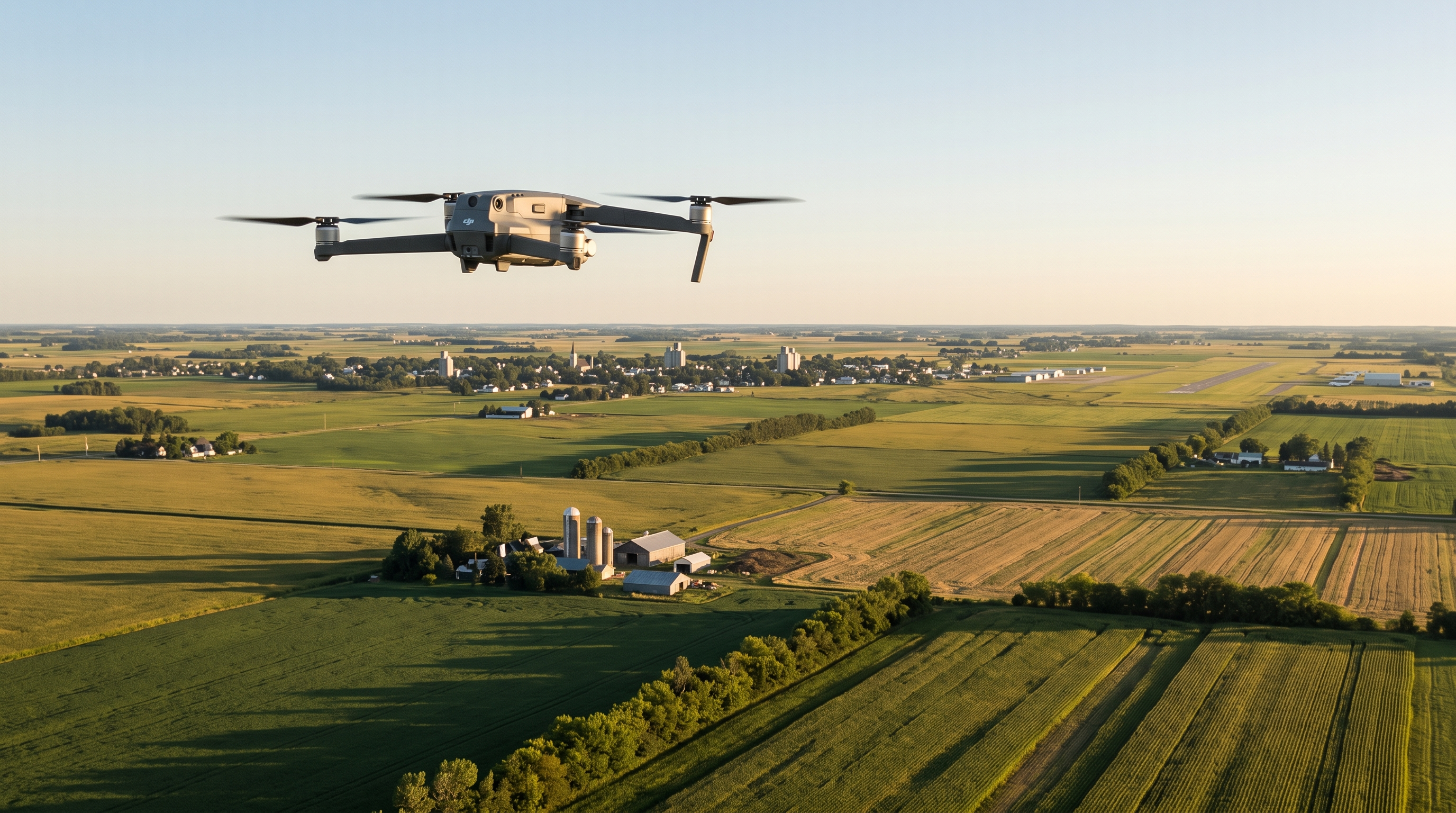
Yes, you can legally fly a drone across most of Canada. The catch is that where you fly, and what you must do first, depends on your drone’s weight, your pilot certificate, and the airspace beneath your propellers. If you have been asking where can you fly a drone in Canada legally, the honest answer is this: almost anywhere in open, uncontrolled airspace once your drone is registered and you hold the right Transport Canada certificate, but there are firm no-fly zones you cannot enter without special permission. This guide walks through the rules the way a working pilot actually applies them.
Canada’s drone rules live under the Canadian Aviation Regulations, Part IX, and Transport Canada enforces them. Break them and the fines are real. An individual can face up to $1,000 for flying an unregistered drone and up to $3,000 for flying somewhere they should not. So the goal is simple. Fly where you are allowed, stay out of where you are not, and keep proof you did it right.
The Short Answer: Where Can You Fly a Drone in Canada Legally
For most pilots, where can you fly a drone in Canada legally comes down to two things: the class of airspace and your distance from people. In uncontrolled airspace, well away from airports and bystanders, a Basic Operations certificate covers you. To fly in controlled airspace, near an airport, or close to people, you need an Advanced Operations certificate and permission from air traffic control. Everything else is detail built on top of those two ideas. Whether you fly in-house or hire a team for professional commercial drone services, that same two-part test decides where the drone is allowed to be.
Three rules apply almost everywhere for a drone weighing between 250 grams and 25 kilograms:
- Register the drone with Transport Canada for $5 and mark it with the registration number.
- Hold a valid pilot certificate, either Basic or Advanced.
- Keep the drone below 122 metres (400 feet) above ground level and within your visual line of sight at all times.
Basic vs Advanced: The Line That Decides Where You Fly
The split between Basic and Advanced Operations is the single most important thing to understand. It decides where you can put your aircraft in the sky.
Basic Operations: Uncontrolled Airspace, Away From People
You are flying Basic Operations when you meet all of these conditions. You stay in uncontrolled airspace. You keep the drone more than 30 metres horizontally from bystanders. You never fly over people who are not part of your crew. Basic covers a huge amount of the country. Open farmland, empty industrial yards, rural inspection sites, and quiet back roads are all fair game. A Basic certificate needs a passing grade on a Transport Canada online exam, and you can earn it from age 14.
Advanced Operations: Controlled Airspace and Close to People
The moment you need to fly in controlled airspace, near an airport or heliport, within 30 metres of bystanders, or directly over people, you move into Advanced Operations. This is where most serious commercial work lives, because job sites are rarely in the middle of nowhere. Advanced requires a harder written exam plus an in-person flight review, and your drone must carry a manufacturer’s declaration for the operation you are flying. If your work regularly puts you near people or airports, earning your advanced RPAS certification is what makes those flights legal. It is also why many businesses bring in a trained crew rather than risk an uncertified flight in complex airspace.
No-Fly Zones: Where You Cannot Fly Legally
Knowing where can you fly a drone in Canada legally means knowing where you absolutely cannot. These places will get you fined or grounded no matter what certificate you hold:
- Near airports and aerodromes without meeting the distance and authorization rules. The controlled airspace around an airport needs clearance first.
- Over or near emergency scenes, including forest fires, floods, police operations, and accident sites. Flying near a wildfire can ground water bombers, and Transport Canada treats it as a serious offence.
- In national parks and many provincial parks. Parks Canada prohibits drone launches, landings, and flights in national parks unless you hold a restricted activity permit.
- Restricted and military airspace, along with any temporary flight restriction issued for an event or emergency.
- Above 122 metres (400 feet) above ground level, unless you carry a specific authorization.
You can confirm all of this before you fly using Transport Canada’s drone safety rules, which set out the current requirements and penalties in plain language.
Where Can You Fly a Drone in Canada Legally Without a Certificate
Here is the exception many new pilots miss. If your drone weighs under 250 grams, you do not need to register it or hold a pilot certificate. That is why the sub-250-gram class is so popular. So where can you fly a drone in Canada legally with a micro drone? Almost anywhere the heavier rules would block you, with three firm caveats. You still cannot fly recklessly or endanger anyone. You still must stay clear of airports and emergency scenes. And you still cannot fly in national parks. Lighter does not mean lawless. It just means the paperwork drops away.
Tools to Check Where Can You Fly a Drone in Canada Legally
No experienced pilot guesses about airspace. Before every flight in an unfamiliar spot, run a quick site check with the right tools:
- The NAV Drone app. Run by NAV CANADA, it shows airspace class and nearby aerodromes, and it lets Advanced pilots request authorization to fly in controlled airspace, often within seconds.
- Transport Canada’s Drone Site Selection Tool. A map-based check for whether a location sits in controlled or uncontrolled airspace.
- A physical site survey. Look for power lines, people, roads, and anything that breaks your line of sight before you launch.
Ten minutes of planning is the difference between a clean, legal flight and an expensive mistake. Every certified pilot builds that habit early.
What the November 4, 2023 Rule Changes Added
Transport Canada published amendments to the drone regulations on November 4, 2023 that set the stage for lower-risk beyond-visual-line-of-sight (BVLOS) operations and for heavier drones in the 25-to-150-kilogram range. In practice, some flights that once demanded a hard-to-get special flight operations certificate are moving toward a more standard certificate path. As of the latest Transport Canada guidelines, these provisions are phasing in, so if your operation depends on BVLOS or a larger aircraft, confirm exactly what is in force today at tc.canada.ca before you plan around it. The core Basic and Advanced framework above has not changed.
Fly Legal, Fly Confident
So, where can you fly a drone in Canada legally? In open, uncontrolled airspace with a Basic certificate. In controlled airspace and near people with an Advanced certificate. Nearly anywhere the heavier rules block you if your drone is under 250 grams and you fly responsibly. And never over airports, emergencies, or national parks. Get those four ideas straight and the map of Canada opens up to you.
The fastest way to stop second-guessing where can you fly a drone in Canada legally is to earn the right certificate and build solid pre-flight habits. If you are not sure which certificate your work needs, or you want a crew that already flies compliant missions across the country, book a free consultation and we will point you the right way.
Ready to Take the Next Step?
Whether you need drone pilot certification, a custom engineered solution, help navigating Transport Canada permits, or a professional drone service for your next project, Mostavio-SkyTech is your trusted partner in Canada.
Contact us today for a free consultation and let’s build something great together.