If your drone weighs 250 grams or more, Transport Canada treats it as a real aircraft. You need to register it and hold a pilot certificate before it leaves the ground. If it weighs less than 250 grams, most of those requirements disappear. That one number is why so many pilots want drone weight rules Canada 250g explained in plain language. Your entire legal footing changes at that line.
Here is the practical version. The 250 gram threshold is the single most important weight in Canadian drone law. Almost every rule you deal with flows from which side of it your aircraft sits on. This guide covers what the number means, how Transport Canada measures it, and what you are responsible for on each side. We fly commercial jobs across Ontario and beyond, so this is the working pilot’s read, not legal boilerplate.
Why 250 grams is the line that matters
Transport Canada regulates drones, officially called Remotely Piloted Aircraft Systems or RPAS, under Part IX of the Canadian Aviation Regulations. The rules sort drones into weight bands. The first and most important cut-off is 250 grams. Anything from 250 grams up to 25 kilograms falls under the core registration and certification rules. Anything under 250 grams counts as a micro drone and is largely exempt.
This is why getting drone weight rules Canada 250g explained early saves you real money and hassle. A 249 gram drone can fly today with no registration and no exam. A 900 gram drone needs paperwork, a fee, and a passed knowledge test before you are legal. Whether you fly for fun or run commercial drone services, that one number decides where your obligations begin.
Drone weight rules Canada 250g explained for sub-250g flyers
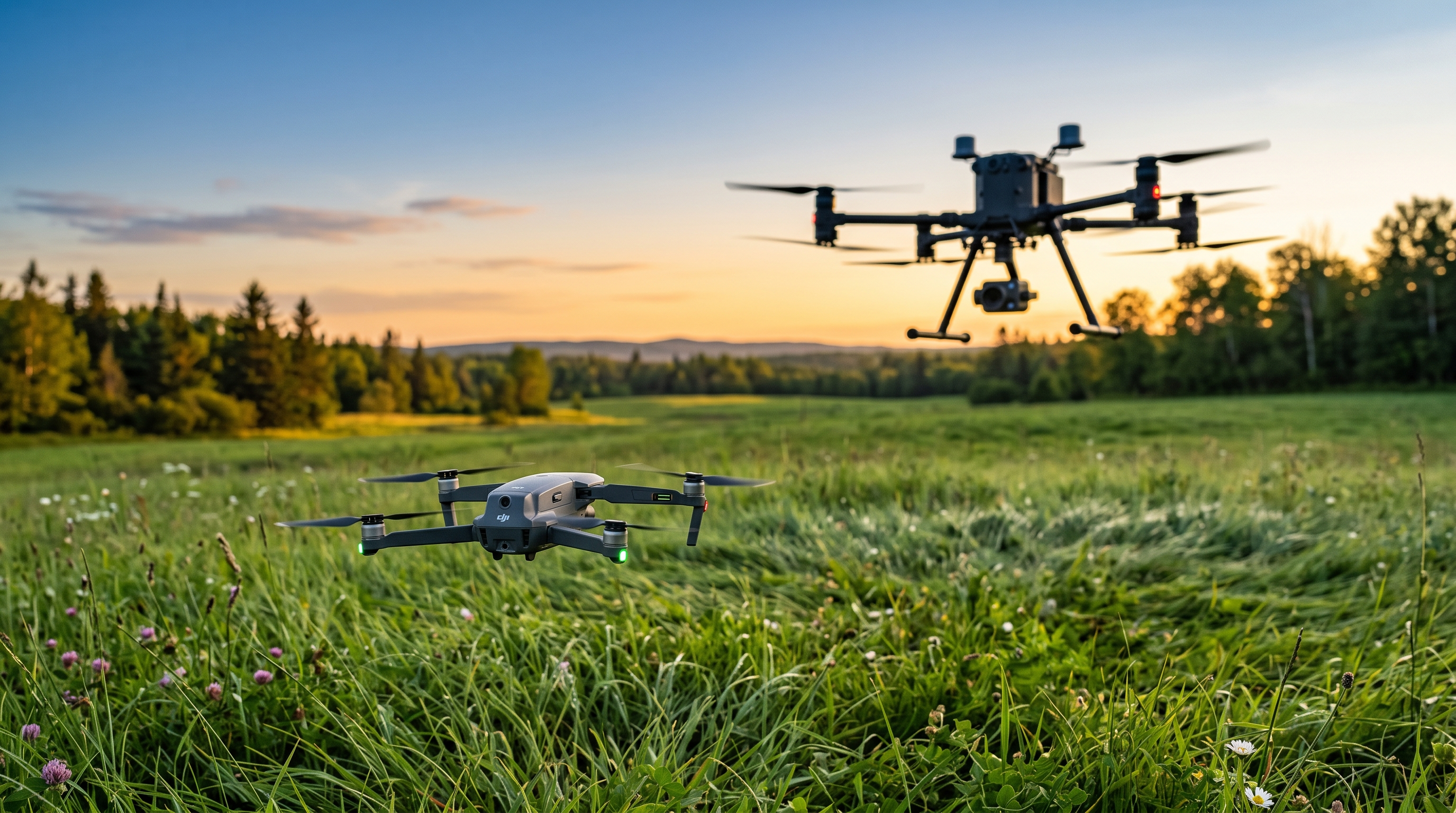
If your drone comes in under 250 grams at takeoff, you do not need to register it with Transport Canada and you do not need a pilot certificate. This is why the DJI Mini line and similar models sell so well. Manufacturers like DJI deliberately engineer these drones to land just under the limit, often at 249 grams, so buyers can skip the registration step.
Being exempt does not mean anything goes. Even a tiny drone cannot endanger crewed aircraft, people, or property. You still keep it away from airports, out of the path of manned aviation, and clear of emergency scenes like forest fires. Fly it recklessly and Transport Canada can still fine you. The sub-250g freedom is real, but it sits on a floor of basic safety and common sense.
One catch trips up new pilots. The 250 gram figure is the total takeoff weight, not the empty airframe. Bolt on a bigger battery, a prop guard, or a payload, and you can push a sub-250 drone over the line. At that point the exemptions stop applying. This is the detail people miss when they get drone weight rules Canada 250g explained too quickly, and it matters for anyone adding gear.
Drone weight rules Canada 250g explained for the 250g to 25kg class
Once your drone reaches 250 grams, two things become mandatory. First, you register the drone with Transport Canada for a $5 fee and mark the registration number on the airframe. Second, you earn a pilot certificate. There are two levels, and the one you need depends on where and how you fly.
Basic operations
A Pilot Certificate for Basic Operations covers flights in uncontrolled airspace, more than 30 metres horizontally from bystanders, and never directly over people. You pass an online exam to earn it, and the minimum age is 14. For most casual and light commercial work outside cities, Basic is enough.
Advanced operations
A Pilot Certificate for Advanced Operations is the one most serious commercial pilots hold. It lets you fly in controlled airspace, near or over bystanders, and closer to airports with the right authorizations. You pass a harder exam and complete an in-person flight review with a Transport Canada flight reviewer. The minimum age is 16. If you plan to work over job sites or in built-up areas, this is the tier you want, and our team can get you there through advanced RPAS certification.
Getting drone weight rules Canada 250g explained at this level is really about matching your certificate to your mission. Weight puts you in the regulated class. Your operating environment then decides whether Basic or Advanced is the right ticket.
How Transport Canada measures your drone’s weight
The figure that counts is the maximum takeoff weight. That means the drone as it leaves your hand or launch pad, including the battery, camera, and anything else attached. Check the manufacturer’s spec sheet first, then weigh the aircraft yourself with a kitchen scale if you are close to the line. Do not guess. A drone listed at 249 grams with a standard battery can cross 250 grams once you fit a heavier pack.
If you run a mix of aircraft, keep a simple log of each drone’s takeoff weight and its registration status. It saves confusion on site and keeps you compliant when an inspector asks. Fleet operators especially benefit from tracking this, because one heavier drone changes the paperwork for the whole operation.
Does the rule change for commercial flying?
No. Transport Canada does not split recreational and commercial pilots the way some countries do. The same weight bands and the same certificates apply whether you are filming your own backyard or inspecting a transmission tower for pay. What changes with commercial work is the complexity of your operations, which often pushes you toward the Advanced certificate and controlled airspace authorizations. A real estate photographer with a sub-250g drone and a utility crew flying a 4 kilogram inspection platform sit in very different places under the rules, purely because of weight and mission.
What the November 2023 updates changed
Transport Canada published amendments in late 2023 that expand the RPAS framework beyond the original 2019 rules. The direction of travel is toward more complex operations, including pathways for heavier drones above 25 kilograms and lower-risk flights beyond visual line of sight. As of the latest Transport Canada guidelines, the core 250 gram registration threshold stays in place, so the fundamentals in this guide still hold.
Because the framework keeps evolving, treat any single article as a starting point and confirm current requirements on the official Transport Canada drone safety page before an important flight. When people ask us for drone weight rules Canada 250g explained, we point them to the source of truth at tc.canada.ca for the version that applies on the day they fly.
Common weight mistakes that get pilots in trouble
A few patterns show up again and again. Pilots buy a 249 gram drone, add a payload, and keep flying as if it were still exempt. Others assume registration alone is enough and skip the pilot certificate. Some hold a Basic certificate and drift into controlled airspace that needs Advanced. Each mistake traces back to weight and where it puts you.
The fix is simple. Weigh your aircraft as configured for the flight. Confirm which class that weight puts you in. Then match your registration and certificate to it. Once you have drone weight rules Canada 250g explained this way, compliance becomes a quick pre-flight habit instead of a worry.
Drone weight rules Canada 250g explained: your next move
The takeaway is straightforward. Under 250 grams gives you freedom with a duty to fly safely. At 250 grams and above, you register the drone and earn the certificate that fits your operation. That is drone weight rules Canada 250g explained in the way it actually affects your flying, without the jargon.
If you are weighing which drone to buy, which certificate to earn, or how to keep a growing fleet compliant, talk to people who do this every day. Our pilots and instructors can map your goals to the right weight class and training path, and you can book a free consultation to get started. Get drone weight rules Canada 250g explained for your exact use case, and you will fly with confidence and stay on the right side of Transport Canada.
Ready to Take the Next Step?
Whether you need drone pilot certification, a custom engineered solution, help navigating Transport Canada permits, or a professional drone service for your next project, Mostavio-SkyTech is your trusted partner in Canada.
Contact us today for a free consultation and let’s build something great together.