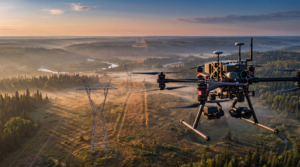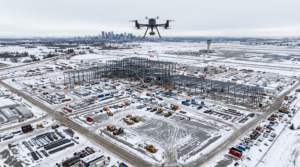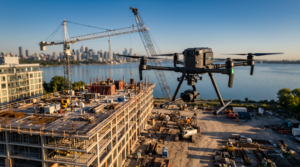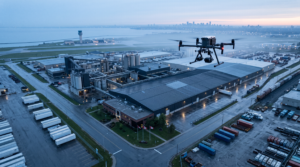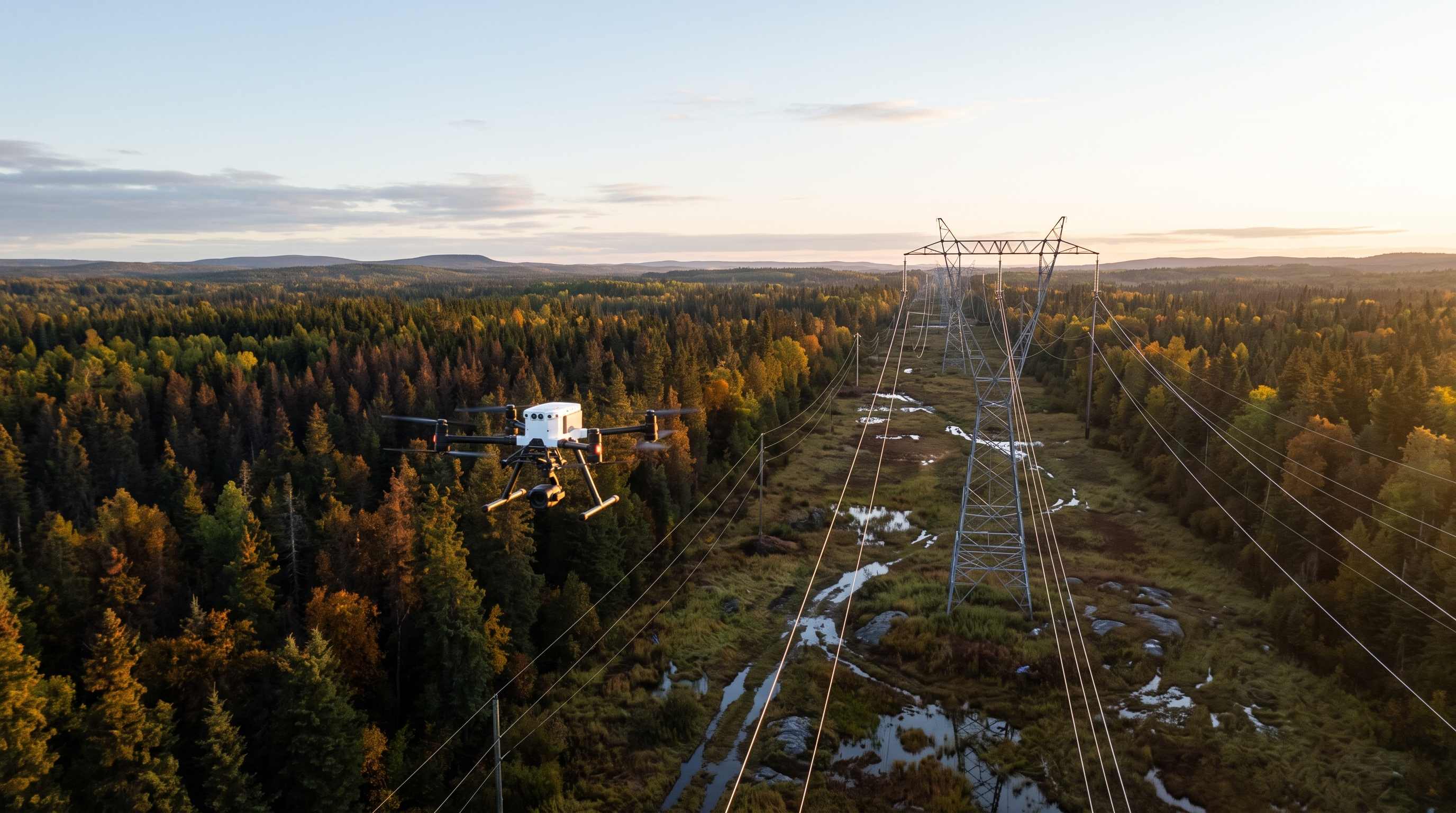
Yes, you can now fly a drone beyond visual line of sight in Canada without applying for a one-off permit every single time. That is the practical headline behind the bvlos drone operations canada requirements 2025. Transport Canada opened a certificate-based path for lower-risk beyond visual line of sight (BVLOS) work. Routine long-range inspections, pipeline patrols, and large-area surveys are finally within reach for commercial operators. The catch is that the rules are specific. Miss a requirement and your flight is illegal, your insurance is void, and your client is not happy.
This guide walks through what actually matters. I have flown under Transport Canada’s framework since the 2019 rules, and the shift to legal BVLOS is the biggest change since drones were first split into basic and advanced categories. If you run or plan to run commercial drone services, understanding the bvlos drone operations canada requirements 2025 is now part of the job.
What Changed for BVLOS Drone Operations in 2025
Under the old system, every BVLOS flight needed a Special Flight Operations Certificate, or SFOC. You applied, you waited, and Transport Canada assessed each mission one at a time. It worked, but it was slow. A single SFOC could take weeks to clear.
The new framework changes that. As of the latest Transport Canada guidelines, lower-risk BVLOS operations moved into a standard certificate model that came into force in 2025. Instead of asking permission for every flight, a qualified pilot flying an eligible drone in eligible airspace can operate under a defined set of rules. The bvlos drone operations canada requirements 2025 also formally introduced a medium drone category, covering aircraft from 25 kg up to 150 kg. That opens the door to heavier payloads and longer-endurance platforms that were previously stuck in SFOC limbo. You can read the current rules straight from the source on the Transport Canada drone safety pages, and I recommend you do before every new type of operation.
The Core BVLOS Requirements Every Operator Must Meet
Break the bvlos drone operations canada requirements 2025 into three parts: the aircraft, the pilot, and the airspace. Get all three right and you are legal. Miss one and you are grounded.
The aircraft. Your drone needs a manufacturer declaration confirming it meets the technical standard for the operation you intend to fly. That covers reliability, the integrity of the command-and-control link, and in some cases detect-and-avoid capability. Detect-and-avoid is the hard engineering problem, and it is the reason not every drone on the market qualifies yet. Check the declaration before you buy. Enterprise platforms built for this work, such as those in the DJI Enterprise lineup, are far more likely to carry the right declarations than a consumer model.
The pilot. BVLOS is not a basic or an advanced operation. It requires its own credential, which I cover in the next section.
The airspace. Lower-risk BVLOS is built around uncontrolled airspace, low altitudes, and distance from people. As of the latest Transport Canada guidelines, that generally means operating at or below 400 feet above ground level, away from populated areas, and clear of aerodromes unless you have coordinated access. The exact distances depend on your operation type, so confirm the numbers at tc.canada.ca rather than trusting a figure you read on a forum.
Certification Is Your Ticket to Legal BVLOS Flight
Here is where most operators spend their energy. The bvlos drone operations canada requirements 2025 created a new pilot credential, the Pilot Certificate for Level 1 Complex Operations. It sits above the advanced certificate. To earn it, you pass a knowledge exam covering BVLOS-specific material and complete a flight review with a certified reviewer.
If you already hold an advanced certificate, you have a head start. The knowledge base overlaps, and the discipline of flight planning, airspace assessment, and risk management carries straight over. Building on solid advanced RPAS certification is the fastest route to being BVLOS-ready. Starting from zero, plan for real study time. The Level 1 Complex exam is harder than the advanced exam, and the flight review expects you to demonstrate genuine command of your systems.
Registration matters too. Every drone you fly commercially must be registered with Transport Canada, and medium drones carry additional registration and marking requirements. The bvlos drone operations canada requirements 2025 tie your certificate, your registered aircraft, and your operating rules into one package. All three have to line up before you launch.
When You Still Need an SFOC
The certificate path does not cover everything. Higher-risk work still runs through the SFOC process. If you want to fly BVLOS over a crowd, above 400 feet, in controlled airspace, or with a drone that lacks the right declaration, you are back to applying for a Special Flight Operations Certificate.
That is not a bad thing. The SFOC exists for operations the standard rules cannot safely generalize. But it takes planning. Build the application time into your project schedule, and write your safety case carefully. Many operators underestimate how much documentation Transport Canada expects. The bvlos drone operations canada requirements 2025 reduced how often you need an SFOC, but they did not remove it.
Real-World Uses Driving BVLOS Demand
Why does any of this matter to an operations lead or a procurement manager? Because BVLOS is where the return on investment lives. Flying within visual line of sight caps you at a few hundred metres from the pilot. BVLOS lets a single crew cover kilometres of linear infrastructure in one flight.
Picture a utility inspecting 40 km of transmission line. Within visual line of sight, that is a full day of leapfrogging crews down a service road. Under BVLOS, it can be one planned mission. A modern enterprise drone flies 30 to 55 minutes on a charge and maps ground to 1 to 3 cm accuracy with real-time kinematic positioning. The medium category, up to 150 kg, lets operators carry heavier sensors, from LiDAR pods to multi-camera arrays, across those same long routes. Pipeline patrols, rail corridor inspection, search and rescue, agricultural monitoring, and wildfire assessment from Ontario to British Columbia all benefit the same way. The bvlos drone operations canada requirements 2025 exist precisely to make that work longer, safer, and repeatable.
How to Prepare for BVLOS Drone Operations in Canada
Start with a clear-eyed look at your operation. Answer four questions. What are you inspecting? How far from the pilot? In what airspace? With which drone? Your answers decide whether you fit the standard certificate path or need an SFOC.
A Quick Pre-Flight Compliance Check
- Certificate. Does your pilot hold the right credential, up to Level 1 Complex Operations for BVLOS?
- Declaration. Does your drone carry a manufacturer declaration for BVLOS use?
- Registration. Is every aircraft registered with Transport Canada and marked correctly?
- Airspace. Are you in uncontrolled airspace, at or below 400 feet, and clear of people and aerodromes?
- Fallback. If any answer is no, have you started an SFOC application?
Then close the gaps. Train your pilots toward the Level 1 Complex certificate. Confirm your aircraft carries the correct manufacturer declaration. Register every drone. Write your operating procedures down. If this feels like a lot, it is, and that is normal for a first BVLOS program. The bvlos drone operations canada requirements 2025 reward operators who treat compliance as part of the mission, not an afterthought.
You do not have to work it out alone. For a straight answer on where your operation fits and what it takes to get flying legally, book a free consultation with a team that runs these missions every week.
The Bottom Line
Legal BVLOS in Canada is no longer a special favour from Transport Canada. It is a defined, certificate-based path for operators willing to meet the standard. The bvlos drone operations canada requirements 2025 come down to three things done right: an eligible aircraft, a properly certified pilot, and an operation that fits the airspace rules. Sort those out and the long-range missions that make commercial drone work pay become available to you. Always verify the current details at tc.canada.ca before you fly, because the rules keep maturing, and the responsibility for flying legally sits with you as the pilot.
Ready to Take the Next Step?
Whether you need drone pilot certification, a custom engineered solution, help navigating Transport Canada permits, or a professional drone service for your next project, Mostavio-SkyTech is your trusted partner in Canada.
Contact us today for a free consultation and let’s build something great together.