If you are searching for drone flight review Canada what to expect, you are almost certainly close to earning your Pilot Certificate for Advanced Operations. Here is the honest answer. The flight review is a structured, in-person check of your knowledge and your ability to operate a drone safely. It is not a stunt-flying test. A Transport Canada flight reviewer asks you questions, watches how you plan a flight, and confirms you can control your aircraft and react when something goes wrong. Pass it, and the advanced certificate is yours. This guide walks you through every step so you arrive calm and ready.
Where the Flight Review Fits in Your Path
Transport Canada runs two levels of drone pilot certification: Basic and Advanced. You earn the basic certificate by passing a 35-question online exam at 65 percent. The advanced certificate asks for more. You first pass the Small Advanced online exam, which runs roughly 50 questions and needs 80 percent to clear. Then you complete a flight review with a qualified reviewer. Most paid work sits behind that advanced level, because flying in controlled airspace or near people requires it, and that is the door to the kind of commercial drone services working pilots build a career on.
The flight review is the practical gate to your advanced RPAS certification. Think of the written exam as proof you know the rules, and the flight review as proof you can apply them in the open air. Transport Canada publishes the full requirements and the flight reviewer guide on its drone safety website, and reading it before your appointment pays off.
Drone Flight Review Canada What to Expect on Test Day
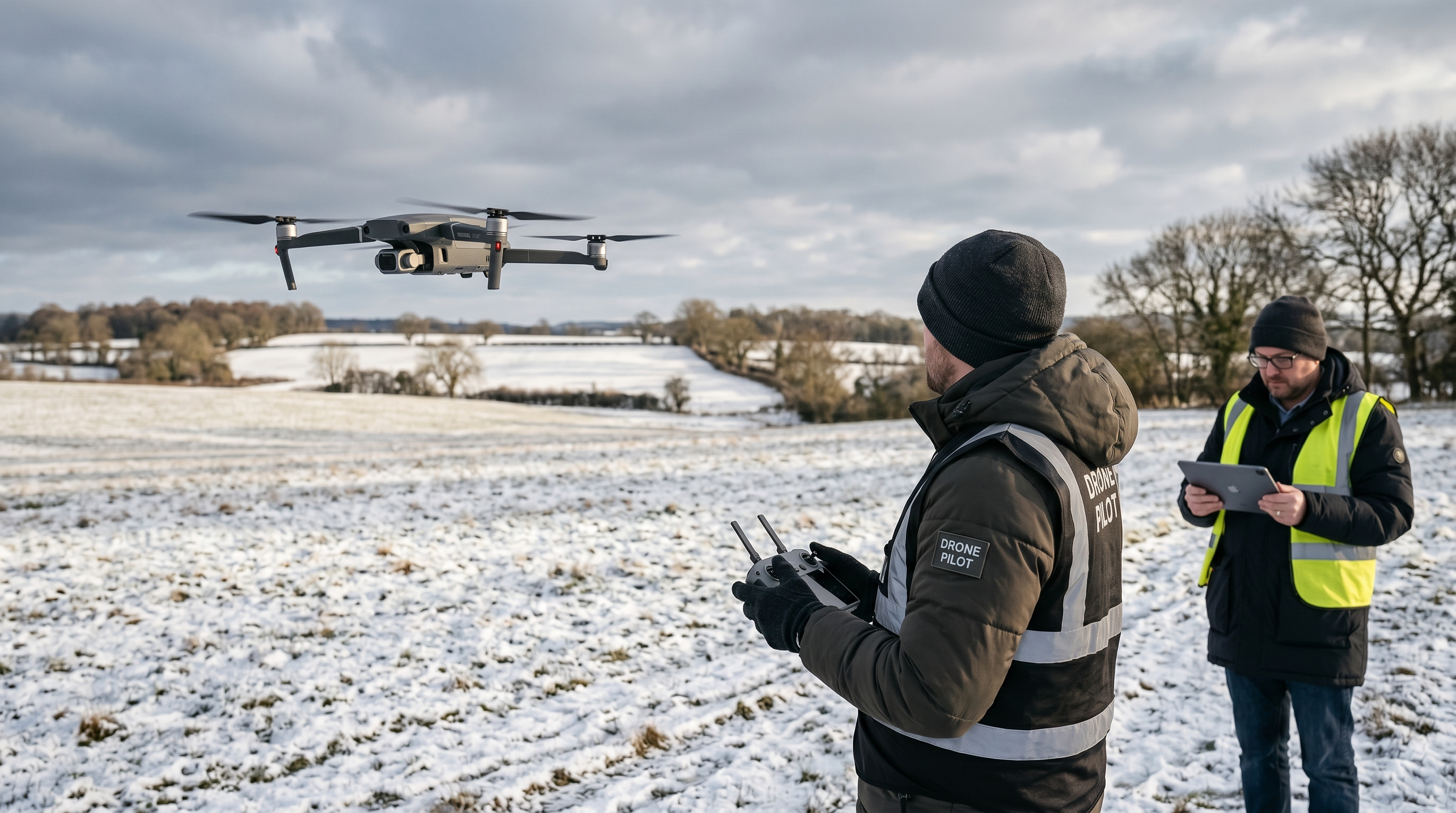
When pilots ask about drone flight review Canada what to expect, the day itself is what they picture, so we will start there. The session usually runs 30 to 60 minutes. You can use your own drone, and most reviewers prefer that you do, since you should be tested on the aircraft you actually fly. The reviewer is not there to trick you. They follow a standard checklist set by Transport Canada, so two reviewers across the country hold you to the same bar.
The Documents You Bring
The review starts on the ground. The reviewer checks your paperwork first. Bring your basic pilot certificate or your Small Advanced exam result, proof that your drone is registered with Transport Canada, and the registration number marked on the aircraft. You also confirm your drone meets the safety assurance declaration for the operation you plan to demonstrate, such as flying in controlled airspace or near people. Missing paperwork is the most common reason a review stalls before it even begins.
The Questions You Answer
Next comes the oral portion. The reviewer asks you to talk through a real flight. Expect questions on air law, airspace classes, weather limits, your drone’s systems, and human factors like fatigue and stress. You walk through a site survey out loud: what you check for, how you set up your control zone, how far you keep bystanders. You do not need to recite regulations word for word. You need to show that you understand them and can apply them to the site in front of you.
The Flying You Demonstrate
Then you fly. The practical part is calmer than most people fear. You are not asked to perform aerobatics. You show that you can start up safely, take off and land under control, hold a stable hover, and keep the aircraft where you want it. The reviewer may ask you to handle a simulated problem, such as a lost link or a sudden need to land. They watch your decisions as much as your stick skills. Stay deliberate, talk through what you are doing, and you will be fine.
What the Reviewer Is Really Judging
It helps to know the mindset behind the checklist. At its core, drone flight review Canada what to expect comes down to one question the reviewer keeps asking: would you be safe alone on a real job, with no instructor watching? That is the whole point. Stick skills matter, but judgment matters more. A pilot who flies a clean hover yet ignores a member of the public walking into the area will struggle. A pilot who flies modestly but spots the hazard, calls it out, and lands early shows exactly the decision-making the standard rewards. Think like the pilot in command, because that is who you are becoming.
How You Pass and What Happens If You Don’t
The flight review is pass or fail. The reviewer scores each area, and you need to meet the standard across all of them. There is no percentage grade like the written exam. If you miss the mark, you do not lose your progress. You wait at least 24 hours, then book a re-review. Many strong pilots need a second attempt, often on one specific area, so a retake is nothing to be ashamed of. Knowing the full drone flight review Canada what to expect picture in advance is the best way to pass on your first try.
Plan for the logistics too. A flight review in Canada typically costs between 150 and 300 dollars, depending on the reviewer and your region. Book it for a day with calm weather if you can, since fighting strong wind during your first official review adds stress you do not need. Arrive early, set up without rushing, and give yourself time to settle.
Drone Flight Review Canada What to Expect When You Prepare
Preparation is where the mentor in me wants to slow you down. Drone flight review Canada what to expect on the day is only half the story. How you train in the weeks before decides the outcome. Read the Transport Canada knowledge requirements and the flight reviewer guide so nothing in the session is a surprise. Then practice out loud. Stand in a field and narrate your site survey as if a reviewer is beside you. Fly the same drone you will bring, until takeoff, hover, and landing feel automatic.
A few habits separate pilots who pass on the first try. They check NOTAMs and airspace for the actual review location, not a generic spot, and they bring a printed checklist and actually use it. A calm, methodical setup signals the discipline the reviewer wants to see. Prepare for nerves too. Once you have rehearsed the session a few times, it feels less like an exam and more like a flight with a colleague.
Structured help shortens the path. SkyTech runs in-person ground school that covers the exact knowledge areas the reviewer tests, plus hands-on flight training where you rehearse the practical portion with an instructor watching. Demand for certified pilots keeps climbing across utility inspections, site mapping, agriculture, and emergency response, a trend industry groups like AUVSI have followed closely. Getting properly trained is an investment in a real career, not just a test.
Drone Flight Review Canada What to Expect With SkyTech
One detail many new pilots miss: SkyTech has certified flight reviewers on staff who can administer the test directly. That means you can complete your ground school, your hands-on training, and your official flight review with one team that already knows the standard. There is no scrambling to find an available reviewer in another city. When people ask us about drone flight review Canada what to expect from start to finish, this is the part they appreciate most, because it removes the guesswork and the waiting.
Your Next Step
So, drone flight review Canada what to expect in one line? A fair, standardized check of safe operation, run by a reviewer who wants you to succeed. Learn the knowledge areas, rehearse your site survey out loud, fly your own drone until it feels routine, and bring every document on the list. Do that, and you walk in ready. If you want a clear path from your first lesson to your certificate, book a free consultation and we will map out your training and your review date together.
Ready to Take the Next Step?
Whether you need drone pilot certification, a custom engineered solution, help navigating Transport Canada permits, or a professional drone service for your next project, Mostavio-SkyTech is your trusted partner in Canada.
Contact us today for a free consultation and let’s build something great together.