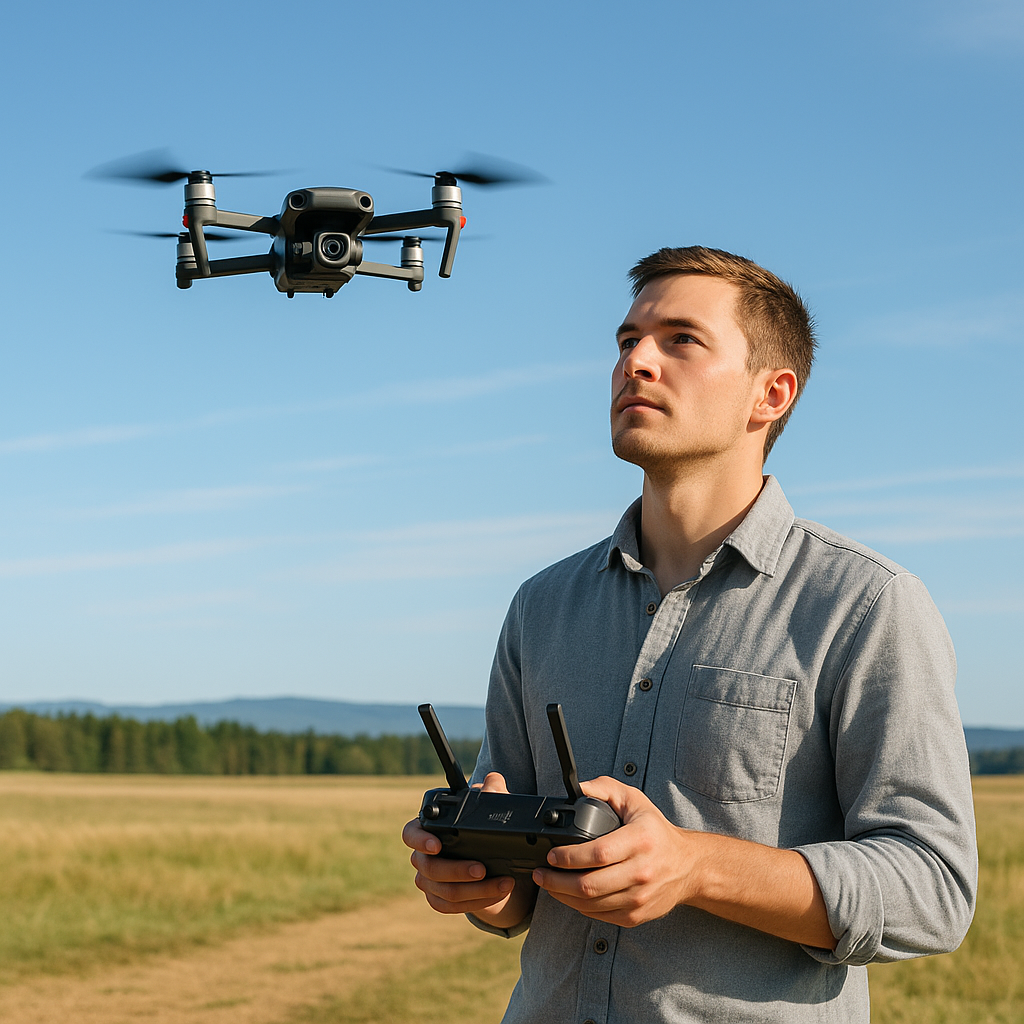
If you’re wondering where can you fly a drone in canada legally, start with three pillars: the airspace you’re in, how close you are to people and aerodromes, and your certification/aircraft category. In plain terms, you can fly below 400 ft AGL, within visual line of sight, in Class G (uncontrolled) airspace, away from airports/heliports and bystanders, with the right pilot certificate and—if your drone is 250 g to under 25 kg—a valid registration marking. Everything else layers on top of that foundation.
where can you fly a drone in canada legally: the quick answer
As of the latest Transport Canada guidelines (with updates noted on November 4, 2023), you may fly a small RPAS legally when all of the following are true:
- You stay below 400 feet (122 m) AGL and keep the aircraft within visual line of sight.
- You remain clear of controlled airspace unless you have an Advanced Operations certificate and an air traffic authorization via NAV CANADA’s RPAS Flight Authorization process.
- You keep safe distances from people and property:
- Basic operations: at least 30 m (horizontal) from bystanders, never over people.
- Advanced operations: closer proximity only if your aircraft has a Transport Canada safety declaration for “operations near people” or “over people.” Most common off‑the‑shelf drones do not currently have these declarations—treat them as no‑over‑people.
- You avoid airports and heliports:
- As a rule of thumb: stay at least 3 NM (5.6 km) from airports and 1 NM (1.9 km) from heliports unless you have the appropriate authorization and coordination. Verify specifics in the current CARs Part IX and local advisories.
- Your drone (250 g to <25 kg) is registered and marked; you hold the correct pilot certificate (Basic or Advanced).
- You do not fly over emergency sites, in restricted airspace (CYR), or within National Parks without a permit, and you comply with municipal bylaws.
- You use anti‑collision lighting for night operations and ensure you don’t endanger people, other aircraft, or property.
If your organization needs compliant data capture but prefers not to manage the licensing, authorizations, and flight risk internally, our Toronto-based team provides nationwide commercial drone services that meet or exceed Transport Canada requirements.
November 4, 2023 updates: what changed (and what didn’t)
Transport Canada refreshed elements of the RPAS framework and associated guidance on November 4, 2023. The practical takeaways for pilots are:
- Categories and certification remain anchored in Part IX:
- Micro (<250 g): exempt from registration and pilot certificate, but still subject to the Aeronautics Act—never endanger people or aircraft; abide by airspace restrictions and local laws.
- Small RPAS (250 g to <25 kg): Basic or Advanced operations under Part IX; registration and pilot certification are mandatory.
- Complex operations (e.g., BVLOS, operations that fall outside Part IX): require a Special Flight Operations Certificate (SFOC).
- Controlled airspace access continues to flow through NAV CANADA’s RPAS Flight Authorization system, with defined grids and altitude ceilings in many terminal areas.
- Drone registration, pilot certification, and the no over‑people rule (unless your aircraft has a TC safety declaration for it) are unchanged in substance for most small RPAS operators.
Because TC refines guidance and digital processes (including the droneCANS portal) over time, always verify the latest details directly on Transport Canada’s Drone Safety site and check airspace authorizations via NAV CANADA’s RPAS/NAV Drone resources. If you’re asking where can you fly a drone in canada legally after these updates, the short answer is: the same places as before—provided you have the right certificate, the right authorization, and you obey proximity rules.
where can you fly a drone in canada legally with Basic vs Advanced operations
The biggest operational divider is whether your mission fits Basic or Advanced operations for small RPAS (250 g to <25 kg):
Basic operations
- Airspace: Class G (uncontrolled) only—no controlled airspace.
- People: Minimum 30 m from bystanders; never over people.
- Aerodromes: Stay clear of airports/heliports; as a baseline, keep 3 NM from airports and 1 NM from heliports unless you have proper authorization and coordination.
- Typical use: Rural mapping, construction progress in open sites, agriculture, and recreational flights away from people and controlled airspace.
Advanced operations
- Airspace: Controlled airspace allowed with NAV CANADA authorization (via NAV Drone/RPAS Flight Authorization).
- People: Closer proximity allowed only if your aircraft has a TC safety declaration for “operations near people” or “over people.” Without it, keep Basic-like standoff and never over people.
- Aerodromes: Operations near major airports may be possible with the proper authorization, altitude limits, and coordination. Expect strict conditions.
- Typical use: Urban infrastructure inspection, cinematography in city cores, utility corridor work intersecting controlled airspace, and public safety support.
In both cases, you must remain under 400 ft AGL, within visual line of sight, and outside any restricted or prohibited airspace. So, where can you fly a drone in canada legally if your site touches controlled airspace? With an Advanced certificate, a registered aircraft, and a valid RPAS Flight Authorization that matches your grid and altitude, you can operate—subject to the authorization’s limits and any local constraints.
Airspace 101 and authorizations
where can you fly a drone in canada legally in controlled airspace?
Controlled airspace (Classes C, D, E around many airports) is accessible to Advanced certificate holders who secure a NAV CANADA authorization for the exact grid(s) and altitude(s) required. Practical steps:
- Use the NAV Drone app/portal to view grids, ceilings, and any pre‑set altitude caps for your location.
- Submit an RPAS Flight Authorization request with your details: aircraft, pilot certificate, location, altitude, time window, and mitigations.
- Wait for approval. Many grids respond quickly; complex or sensitive areas can take longer or require additional conditions.
- Fly exactly as authorized: stick to the grid, altitude, time, and operating conditions. Keep authorizations on hand for inspection.
Note: Restricted (CYR) or prohibited airspace is off-limits unless you hold specific authorization. Advisory areas (CYA) can have hazards—check NOTAMs and details. When in doubt, re-check Transport Canada’s regulations page and the NAV Drone map before you fly.
National Parks, wildfire areas, and local bylaws
- National Parks: No takeoff/landing without a Parks Canada permit. Overflight can still be unlawful if it causes a hazard or violates other restrictions.
- Wildfires: Temporary flight restrictions (NOTAMs) ban all drones near active fires. Expect hard enforcement.
- Municipal bylaws: Cities may restrict launches from public property or specific parks. Bylaws don’t change federal airspace rules, but they can control where you may legally take off and land.
If you’re planning a mission and still asking where can you fly a drone in canada legally, confirm three layers: federal (TC/NAV CANADA), provincial/park permits, and municipal bylaws.
People, property, privacy, and “over people” operations
In Basic operations you must keep 30 m (horizontal) from bystanders. In Advanced operations, proximity depends on your aircraft’s Transport Canada safety declaration:
- Operations near people: Allows closer distances defined by the aircraft declaration and the manufacturer’s limitations.
- Operations over people: Allows flight above bystanders, typically with strict aircraft design/limitations. Very few aircraft on the market currently carry this declaration for Canada.
Even with the right declaration, you must never endanger anyone or create a hazard. Always brief your site, set up a perimeter, and use trained visual observers when appropriate.
where can you fly a drone in canada legally with a micro drone (<250 g)?
Micro drones are exempt from registration and pilot certification, but you are still bound by the Aeronautics Act and the “don’t endanger” rule. That means:
- Stay well clear of aircraft operations; avoid airports and heliports; never fly where you could interfere with crewed aviation.
- Follow local bylaws and property rules; National Parks still require permits to take off/land.
- Keep line of sight, stay low and cautious, and respect privacy.
Practically, a micro drone offers more flexibility around people in open public spaces, but if you’re asking where can you fly a drone in canada legally with a sub‑250 g model, the safest answer is: places where no one is at risk, there’s no conflicting air traffic, and local land-use rules allow takeoff and landing.
Planning workflow: turn the rules into a go/no‑go
- Define the mission: What data do you need? Altitude? Proximity to structures/people? Day or night?
- Check airspace: Use official sources (NAV Drone, VNCs) to identify Class G vs controlled airspace, restricted zones, and nearby aerodromes.
- Confirm authorization path:
- Basic ops in Class G: likely good, but respect 3 NM/1 NM airport/heliport standoffs and bystander distances.
- Advanced ops in controlled airspace: request an RPAS Flight Authorization and prepare to fly within its limits.
- Anything outside Part IX (e.g., BVLOS): plan for an SFOC via droneCANS.
- Assess the ground environment: Bystanders, roads, powerlines, takeoff/landing area, emergency egress paths.
- Weather and NOTAMs: Verify winds, visibility, cloud ceiling, and any advisories or wildfire TFRs.
- Mitigations: Cones/tape, observers, launch pads, fail‑safe configuration, geo-awareness. Remember: manufacturer geofencing is not the law; official airspace data is.
- Documentation: Registration marking on the aircraft, pilot certificate on hand, authorization letters in your kit, and a site‑specific risk assessment or flight plan.
This repeatable workflow helps you answer where can you fly a drone in canada legally for any new site, from rural fields to downtown cores.
Common scenarios that clarify “where can you fly a drone in canada legally”
- Rural farm field, 10 km from the nearest airport: Basic certificate is usually sufficient. Stay under 400 ft, keep 30 m from bystanders, confirm Class G airspace, and check for NOTAMs.
- Downtown filming near a Class C control zone: Requires Advanced certificate, registered aircraft, NAV CANADA authorization for the grid/altitude, and likely zero flight over people unless your aircraft has the proper declaration. Expect reduced ceilings and tight windows.
- Bridge inspection just inside a CTR boundary: Advanced certificate plus RPAS Flight Authorization; coordinate time-on-target, maintain structure standoff, consider tethering or crowd control to manage bystanders.
- National Park vista: No takeoff/landing without a Parks Canada permit; assume “no-go” without a formal authorization.
- Sub‑250 g micro in a quiet suburban park: Possible if no local bylaw prohibits takeoff/landing, you keep clear of people and aircraft, and you don’t create a hazard.
Certification, training, and staying current
Rules evolve—especially authorization workflows in controlled airspace and digital portals like droneCANS. If you’re routinely confronting the question “where can you fly a drone in canada legally” on commercial jobs, formal training pays for itself quickly in avoided delays and denials. Our instructors are Transport Canada–certified Flight Reviewers; we teach the regulations as they’re actually applied on the ramp and on rooftops. If you aim to unlock urban and controlled airspace operations, see our advanced RPAS certification pathway.
FAQs: fast answers to “where can you fly a drone in canada legally”
Do I need permission to fly at night?
No special waiver is required under Part IX for night flight, but you must equip anti‑collision lighting and maintain VLOS. The rest of the rules (airspace, bystanders, altitude) continue to apply.
Can I fly over people with an Advanced certificate?
Only if your specific aircraft has a Transport Canada safety declaration for “operations over people,” and you follow all limitations in that declaration. Otherwise, no—certificate alone doesn’t grant over‑people privileges.
Is geofencing equal to the law?
No. Manufacturer geofencing can block legal flights or allow illegal ones. Always use official sources—Transport Canada and NAV CANADA—to determine where can you fly a drone in canada legally.
Bottom line: where can you fly a drone in canada legally today
After the November 4, 2023 Transport Canada updates, the practical answer remains consistent: You can fly in Class G airspace below 400 ft, in VLOS, away from people and aerodromes, with the right pilot certificate and a registered aircraft where required. For controlled airspace, bring an Advanced certificate and secure a NAV CANADA RPAS Flight Authorization that matches your exact grid and altitude. For anything beyond Part IX (e.g., BVLOS, specialized urban ops), pursue an SFOC. If you still need clarity on a site or want a second set of eyes on your plan, book a free consultation with our team.
Whether you operate a micro drone or manage a national fleet, the disciplined way to answer “where can you fly a drone in canada legally” is to run the same checklist: category, pilot certificate, airspace, people, aerodromes, authorizations, bylaws—then fly the plan.
Ready to Take the Next Step?
Whether you need drone pilot certification, a custom engineered
solution, help navigating Transport Canada permits, or a professional
drone service for your next project — Mostavio-SkyTech is your
trusted partner in Canada.
Contact us today for a free consultation
and let’s build something great together.