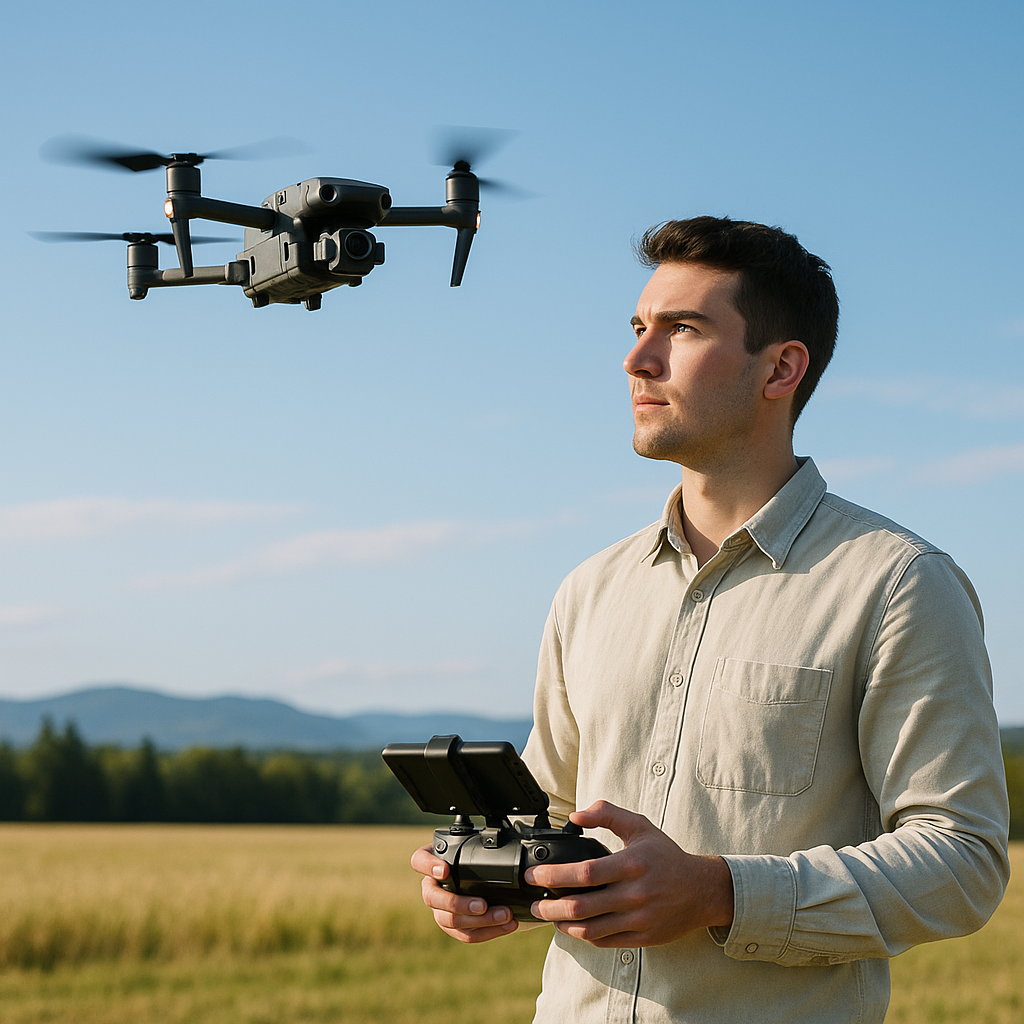
Looking for a clear, up-to-date answer on the drone rules ontario 2025? Here it is in plain language: in Ontario, you fly under Transport Canada’s national RPAS (drone) regulations in CARs Part IX, plus any local land-use bylaws that control where you can take off and land. As of the latest Transport Canada guidelines (updated on November 4, 2023), you must register drones from 250 g to 25 kg, hold the appropriate pilot certificate (Basic or Advanced), stay below 400 ft AGL and within visual line of sight, and follow specific rules for controlled airspace, people, and property. Municipalities and agencies (Toronto, Ontario Parks, Conservation Authorities, Niagara Parks, etc.) may require permits or may prohibit launching/landing on their property. If you need help applying these rules to a specific mission, our Ontario team at Mostavio-SkyTech can handle the planning and permits and deliver turnkey commercial drone services.
Quick answer: drone rules ontario 2025 at a glance
- Jurisdiction: Airspace is federally regulated by Transport Canada (CARs Part IX). Ontario and municipalities regulate where you can launch/land on their property.
- Weight classes: Micro drones under 250 g are largely exempt from Part IX, but you must always fly safely and avoid aircraft and people. Drones 250 g–25 kg must be registered and flown by a certificated pilot.
- Pilot certification: Basic Operations (uncontrolled airspace, away from bystanders and aerodromes) or Advanced Operations (close to people, in controlled airspace, or in built-up areas with proper equipment and authorization).
- Key limits: Max 400 ft AGL, visual line of sight, clear of clouds, no reckless/unsafe flying, and respect privacy/property.
- Controlled airspace (Ontario has a lot): Advanced certificate + capable RPAS + NAV CANADA authorization via NAV Drone required before you enter controlled airspace.
- Updates: As of November 4, 2023, Transport Canada clarified categories and documentation, including micro drones, recreational use contexts, Advanced operations, and higher-risk “complex” operations (typically via SFOC). Verify details at Transport Canada – Drone Safety.
- Local land rules: Parks, conservation areas, and municipalities may prohibit drone takeoffs/landings without a permit—even though airspace is federal. Always check posted bylaws.
What changed in late 2023 and how it shapes the drone rules ontario 2025
Transport Canada’s RPAS framework continues to evolve. As of the latest guidance updated on November 4, 2023, the rules and official guidance reiterate and clarify how operations fit into practical categories many pilots use day-to-day: micro (under 250 g), recreational contexts (typically lower-risk, often micro), advanced (Part IX Advanced Operations with certification and suitable aircraft), and complex (higher-risk operations that usually need a Special Flight Operations Certificate, or SFOC, such as BVLOS). The fundamentals haven’t changed for most day-to-day Ontario flights: if you’re in controlled airspace around Toronto Pearson, Billy Bishop, Ottawa, Hamilton, or Kitchener/Waterloo, you need Advanced certification, a compliant RPAS, and authorization from NAV CANADA before you fly. Registration remains required for 250 g–25 kg RPAS, and you must affix your registration number on the aircraft. If you are planning anything outside the standard envelope—over people with a heavier platform, night work near critical infrastructure, BVLOS, or swarm/automated flights—expect the complex category to apply via SFOC.
If your project hinges on nuanced interpretations (e.g., over people allowances, manufacturer safety declarations, or site-specific risk mitigations), check the current CARs Part IX language and guidance at tc.canada.ca – Flying your drone safely and legally and confirm NOTAMs and airspace details via NAV CANADA’s NAV Drone.
How the drone rules ontario 2025 map to micro, recreational, advanced, complex
- Micro (under 250 g): No registration or pilot certificate required under Part IX, but you are still responsible for safe, legal flying (don’t endanger people or aircraft, and be mindful of privacy and local bylaws). For practical purposes in Ontario, treat downtown cores and busy aerodrome areas with extreme caution and use NAV Drone to visualize controlled airspace even when not strictly required.
- Recreational (informal descriptor): If you fly for fun with a drone over 250 g, Part IX still applies—registration and Basic/Advanced certification depending on where and how you fly. “Recreational” does not exempt you from federal rules once you’re over 250 g.
- Advanced Operations: Requires the Advanced pilot certificate, passing the online exam plus a Flight Review. Your aircraft must meet the appropriate RPAS Safety Assurance(s) for flying in controlled airspace and—if needed—near/over people. You must obtain NAV CANADA authorization before entering controlled airspace.
- Complex operations: Higher-risk missions not covered by Basic/Advanced (e.g., BVLOS, heavier payloads beyond 25 kg, certain operations over assemblies of people, or specialized use near critical infrastructure). These typically require an SFOC with specific risk mitigations.
Airspace in Ontario: applying the drone rules ontario 2025
Ontario’s population centers sit under layers of controlled airspace. The CTRs and TMAs around Toronto Pearson (CYYZ), Billy Bishop (CYTZ), Ottawa (CYOW), Hamilton (CYHM), and Kitchener/Waterloo (CYKF) encompass many neighborhoods, industrial corridors, rail yards, and waterfronts. Under the drone rules ontario 2025, if the location is in controlled airspace you must:
- Hold an Advanced pilot certificate and fly a drone with the required RPAS Safety Assurance(s) for controlled airspace.
- Request and receive authorization from NAV CANADA via the NAV Drone app/portal before takeoff.
- Respect any altitude/area constraints in the authorization and stay below 400 ft AGL.
If you hold only the Basic certificate, you must remain in uncontrolled airspace and keep your operation at least 3 NM from airports and 1 NM from heliports. Many Ontario jobs turn out to be in controlled airspace—plan accordingly. At SkyTech, we routinely obtain NAV CANADA approvals and coordinate with property owners so clients can fly legally and on schedule.
Where can I launch and land? Ontario property, parks, and municipal bylaws
Airspace is federal, but property owners control activities on their land. Under the drone rules ontario 2025, you should assume you need permission to launch/land on any property you don’t control. A few Ontario specifics:
- Ontario Parks: Generally does not allow recreational drone takeoffs/landings in provincial parks without written authorization. Film, research, or resource projects may apply for permits; approvals are case-by-case.
- Municipal parks (e.g., City of Toronto): Many municipalities restrict or prohibit launching/landing drones in parks without a permit. Toronto’s parks bylaw is a good example—check the latest text on the city’s website before planning a flight.
- Conservation Authorities and Niagara Parks: Typically require permits or prohibit recreational use. Niagara Parks, in particular, has strict rules due to year-round crowds and safety considerations.
- Private property: Obtain owner permission to launch/land. Even if you can overfly at legal altitude, trespass and nuisance rules still apply to takeoff/landing areas.
Practical tip from the field: when the perfect vantage point sits inside a park or on a roof you don’t control, we’ll secure a nearby lawful takeoff site and extend the mission using appropriate airspace authorization and safety mitigations.
Operational limits under the drone rules ontario 2025
Whether you’re mapping a job site in Vaughan or filming a farm near Guelph, these core operational rules apply in Ontario:
- Altitude: Max 400 ft AGL.
- VLOS: Maintain unaided visual line of sight at all times (binoculars/FPV goggles don’t count for VLOS).
- People and property: For Basic operations, keep at least 30 m horizontally from bystanders. For Advanced operations, follow the distances in your RPAS Safety Assurance, and only fly over people if your aircraft is rated for it. Never fly over large assemblies without specific authorization.
- Airspace proximity: Basic operations must stay out of controlled airspace and remain 3 NM from airports and 1 NM from heliports. Advanced operations require NAV CANADA authorization for controlled areas.
- Night: Allowed if your RPAS is equipped with appropriate position/anti-collision lighting and you maintain VLOS.
- Weather: Stay clear of cloud and hazardous weather; maintain sufficient visibility to keep VLOS and see other air traffic.
- Emergency sites and wildfires: Do not fly near police, fire, or rescue operations. Flying near wildfire operations is illegal and aggressively enforced in Ontario.
- Registration and labeling: Register all drones 250 g–25 kg and affix the number to the airframe.
- Pilot certification and age: Basic (typically minimum age 14), Advanced (typically minimum age 16). Supervision rules apply for younger pilots—see Transport Canada for details.
- Recency and records: Keep your recency training current (e.g., Transport Canada’s RPAS Recency exercises) and retain mission logs, checklists, and maintenance records as good practice.
- Insurance: Not mandated by Part IX but often required by clients and property owners. We recommend at least $1–5M liability for commercial work.
Applying the drone rules ontario 2025 to your use case
Construction, engineering, and mapping
Most Ontario job sites lie under controlled shelves. You’ll need Advanced certification, a drone with the correct RPAS Safety Assurance(s), and NAV CANADA authorization. If your team isn’t there yet, our pilots can execute end-to-end missions with survey-grade outputs and deliverables under our commercial drone services.
News, media, and marketing downtown
Busy urban corridors demand Advanced certification and careful bystander separation. For dynamic scenes, plan for road/sidewalk control or choose elevated, controlled-access takeoff points. The drone rules ontario 2025 allow night operations with lights, but you must still maintain VLOS and comply with controlled airspace authorizations.
Farms, aggregates, and utilities
Even rural Ontario can sit beneath controlled shelves. Always check airspace in NAV Drone. If you need low-altitude corridor flights along transmission lines or rails, you may need multiple segmented authorizations and landowner permissions.
Do I need an SFOC under the drone rules ontario 2025?
Maybe. If your mission goes beyond Basic/Advanced—like BVLOS, heavier aircraft, some operations over people, operating near certain critical infrastructure, or testing novel automation—you’ll likely need a Special Flight Operations Certificate (SFOC). The application package should address risk, crew competency, aircraft reliability, airspace coordination, and emergency procedures. If that sounds daunting, it is—but we do it every week for clients. For pilots stepping up to Advanced, we can fast-track you with our advanced RPAS certification pathway (ground school, hands-on training, and Flight Reviews administered by our Transport Canada–certified Flight Reviewers).
Compliance beyond air: privacy, nuisance, and enforcement
Even when you’re square with Transport Canada, Ontario’s privacy and property laws remain relevant. Be respectful of reasonable expectations of privacy; for commercial work, adopt data governance practices (collection minimization, retention limits, and secure storage). Expect enforcement in wildfire season and around airports; penalties for unsafe or noncompliant flight can be steep. When in doubt, document your plan and verify key constraints at tc.canada.ca, then confirm airspace with NAV Drone before you launch.
A practical checklist to stay onside with the drone rules ontario 2025
- Confirm your operation type: micro, Basic, Advanced, or complex (SFOC likely).
- Verify pilot credentials and recency; schedule Flight Reviews as needed.
- Register applicable drones; label with the registration number.
- Check airspace in NAV Drone; if controlled, request authorization early.
- Secure launch/land permissions (property owner, municipality, parks authority).
- Plan for bystander control and distances per your RPAS Safety Assurance.
- Set operational limits: 400 ft AGL max, VLOS, lighting for night, weather minima.
- Complete site survey, risk assessment, and preflight checklists; brief your crew.
- Carry proof of certification, registration, and authorizations on-site.
- After action: log flights, incidents, and maintenance; update your SMS files.
If you prefer to have a proven Ontario operator handle it end-to-end—permits, NAV CANADA, municipal liaison, safe execution, and polished deliverables—book a free consultation and we’ll tailor a compliant plan for your site and timeline.
Bottom line: the drone rules ontario 2025 made simple
Most Ontario flights fall into two buckets. If you’re in uncontrolled airspace, away from aerodromes and bystanders, and below 400 ft with VLOS, Basic certification may be enough. If you’re in or near built-up areas, close to people, or in controlled airspace (very common across Ontario), you’ll need Advanced certification, a compliant aircraft, and NAV CANADA authorization. For anything riskier or more ambitious, plan on the “complex” pathway via SFOC. These expectations reflect Transport Canada’s guidelines updated November 4, 2023, and they’re the practical foundation of the drone rules ontario 2025. If your mission touches multiple jurisdictions, tight timelines, or sensitive locations, we’ll help you navigate the approvals and deliver the data safely the first time.
Ready to Take the Next Step?
Whether you need drone pilot certification, a custom engineered
solution, help navigating Transport Canada permits, or a professional
drone service for your next project — Mostavio-SkyTech is your
trusted partner in Canada.
Contact us today for a free consultation
and let’s build something great together.